
We investigate anatomical organisation and cortical processing using computational models and techniques.

We have two main research interests.The computational anatomy group studies the organisation of anatomical brain connections and how they relate to regional brain function. We principally use non-invasive diffusion MRI, often in combination with functional techniques or traditional tracing techniques. We also have a strong methodological focus.
The learning and decision making group mostly investigates the role of frontal cortical mechanisms in controlling behaviour. We use computational descriptions at the behavioural and network levels to form predictions, and test these in neurophysiological, neurochemical, and lesion data.
Our team
-
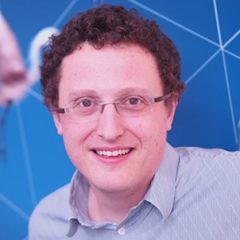
Timothy Behrens
Professor of Computational Neuroscience
-
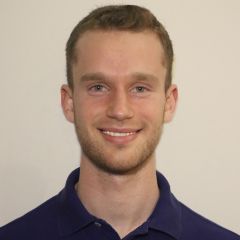
Jacob Bakermans
Postdoctoral Research Assistant
-
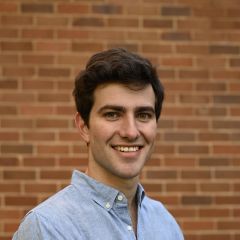
Alon Baram
Senior Researcher
-
Peter Doohan
DPhil Student
-

Mohamady El-Gaby
Postdoctoral Neuroscientist
-
Max Kirkby
DPhil Student
-
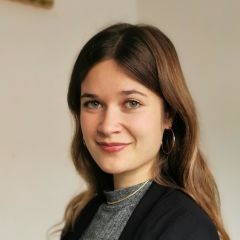
Svenja Kchenhoff
DPhil Student


Collaborators
- Matthew Rushworth
- Heidi Johansen Berg
- Steve Smith
- Mark Woolrich
- Human Connectome Project
- Suzanne Haber
- Jim Rilling
- Steve Kennerley
- Ray Dolan